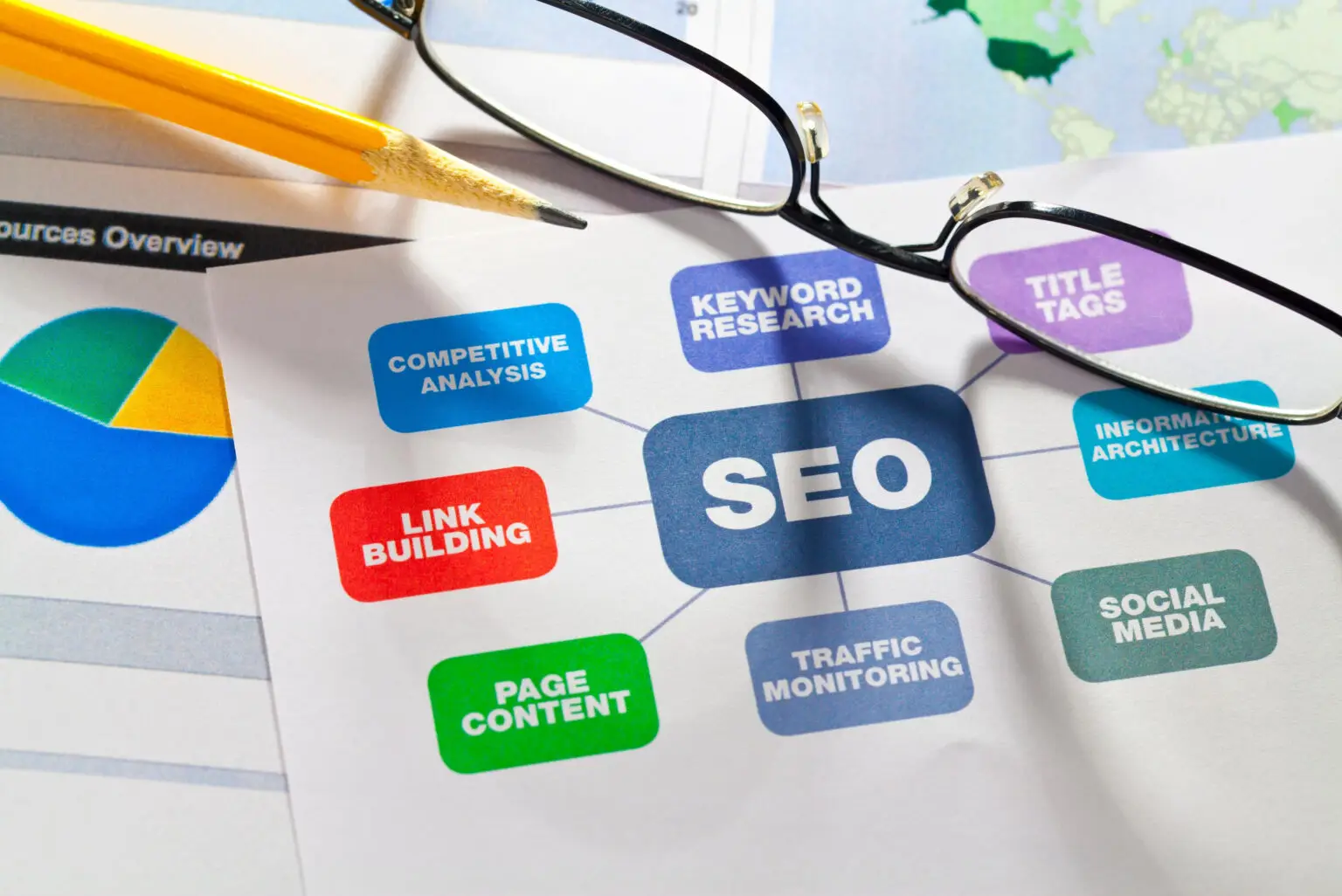
The way people find information online is shifting, and for bloggers, small businesses, and creators, understanding this change is crucial. As AI-powered search results become more common, optimizing your content for these new interfaces — a practice we’re calling Generative Engine Optimization (GEO) for 2026 — is no longer a niche tactic but a core part of your strategy.
Forget the hype and fear-mongering; this isn’t about magical AI tricks. Instead, GEO is about making your content incredibly clear, structured, and trustworthy, so AI models can easily understand and reference it. Think of it as evolving your SEO approach for the AI era to ensure your valuable insights don’t get lost in the shuffle of generative discovery.
In this guide, we’ll cut through the noise and show you practical steps to prepare your content for an AI-driven search landscape, focusing on what you can control: the quality and presentation of your information.
What Exactly is Generative Engine Optimization (GEO)?
Generative Engine Optimization (GEO) is the practice of preparing and structuring your online content so it’s easily discoverable and accurately summarized by generative AI features in search engines. While traditional SEO helps search engines rank your web pages, GEO specifically focuses on how AI models interpret, synthesize, and present your information in search overviews, AI answers, and conversational interfaces.
In 2026, major search engines like Google are likely to continue integrating features like their Search Generative Experience (SGE), which provides AI-generated summaries directly within search results. This means your goal isn’t just to rank on page one, but to have your content clearly understood and cited by an AI summary or answer. Think of it as optimizing for comprehension, not just clicks.
Many of the strategies for GEO build upon existing, proven SEO best practices, but with a renewed emphasis on clarity, authority, and answer-first content. It’s about being helpful, not just keyword-rich. Mastering generative engine optimization in 2026: Full guide provides a comprehensive overview of how to build and execute an effective GEO strategy, ensuring your content is ready for this evolving landscape.
The Foundation: E-E-A-T Still Reigns Supreme
Before diving into specific Generative Engine Optimization (GEO) tactics, it’s vital to remember that the core principles of excellent content remain paramount. Google’s emphasis on E-E-A-T (Experience, Expertise, Authoritativeness, and Trustworthiness) isn’t going anywhere; in fact, it’s becoming even more critical for AI search. Generative AI models rely on identifying credible, high-quality sources to provide accurate answers. For solopreneurs and small businesses, this means doubling down on what makes your content unique and valuable, as highlighted in guides like Master Google SGE optimization for AI Overviews in 2025.
- **Experience:** Share your personal insights, case studies, and hands-on results. What have you learned from actually doing something?
- **Expertise:** Demonstrate your knowledge in your niche. Provide depth and nuance.
- **Authoritativeness:** Build a reputation as a go-to source. Consistently publish high-quality content.
- **Trustworthiness:** Be transparent, cite your sources, and ensure your information is verifiable and current.
Clarity & Structure: Making Your Content AI-Friendly
AI models excel at extracting information from well-organized content. This isn’t just about readability for humans, but parse-ability for algorithms. Think about how an AI might scan your page for quick answers.
One highly effective strategy, often cited in GEO best practices, is to start every section or even paragraph with a concise, self-contained definition or lead sentence. AI models are known to preferentially extract these. Generative Engine Optimization Best Practices: 12 Proven … recommends this approach.
For optimal generative search optimization, the clearer and more direct your content, the easier it is for an AI to pull out the key facts and present them in a summary or answer:
- **Answer-First Content:** Structure your content to provide direct, concise answers to common questions upfront. If a user asks “What is X?”, your first paragraph should ideally answer it clearly.
- **Use Headings as Questions:** Frame your H2s and H3s as explicit questions. Immediately follow these headings with a short, factual answer. For example, ‘## What is Generative Engine Optimization?’ followed by a concise definition. This tactic is actively being used by those seeing success in GEO. GEO in 2026: the best practices I’m already using (and that …) points to this as a proven method.
- **Paragraphs as Standalone Answers:** Aim for paragraphs that can stand alone as mini-answers, even if they’re part of a larger discussion. This makes them highly extractable.
Entities, Citations, and Brand Mentions: Building AI’s Understanding and Trust
Generative AI thrives on understanding entities—specific people, places, things, or concepts. When you consistently and clearly refer to these entities, you help AI models build a stronger knowledge graph around your topic and your brand.
- **Entity Optimization:** Use consistent terminology for your key topics, services, or products. Define them clearly when introduced. For example, if you’re discussing a specific AI tool, refer to it by its full, official name consistently throughout your content.
- **Citations:** Just as you’d cite sources in a research paper, linking to authoritative external sources helps both human readers and AI models verify the accuracy of your claims. This strengthens your content’s trustworthiness. Additionally, ensuring your own content is referenced by other reputable sites helps establish your authority.
- **Brand Mentions:** Strengthening your brand as a recognized entity is a key part of Generative Engine Optimization Best Practices for 2026. When other authoritative sites or users mention your brand, products, or services positively, it signals to AI models that your brand is a credible source of information. This isn’t just about direct links; consistent, positive mentions across the web build your brand’s digital reputation, which AI can interpret as a signal of authority.
Your Unique Experience (E) and Original Insights are Gold
While AI can synthesize information from countless sources, it cannot replicate genuine human experience. This is where solopreneurs, creators, and small businesses have a distinct advantage. Your personal experience, unique case studies, and hands-on insights are incredibly valuable for GEO.
Focus on sharing these original elements that are hard for AI to perfectly replicate, making your content stand out as truly valuable and authoritative. They provide the ‘experience’ aspect of E-E-A-T that AI models seek in high-quality content:
- First-hand reviews of tools or services.
- Personal stories of overcoming challenges in your niche.
- Unique data or results from your own experiments.
- Behind-the-scenes glimpses of your creative or business process.
Preparing for the AI Search Frontier: Realistic Next Steps
Generative Engine Optimization (GEO) for 2026 isn’t a radical departure from good content creation; it’s an evolution. By focusing on clarity, structure, entity optimization, citations, and especially your unique experience, you’re not just optimizing for AI; you’re creating truly excellent content that serves your human audience first.
Your Next Steps:
- **Audit Existing Content:** Look for opportunities to add clearer definition sentences, break down complex topics into smaller, answer-first paragraphs, and explicitly use headings as questions.
- **Prioritize E-E-A-T:** Continuously build your authority by sharing your unique experience and expertise. Don’t shy away from detailed, well-researched content.
- **Be Specific with Entities:** Ensure consistency in how you refer to key terms, people, and concepts.
- **Cite Your Sources (and Be One!):** Link to credible external sources and strive to create content so good that others want to link to and cite you.
Remember, AI is an assistant. It can amplify your reach and help users discover your content, but it still needs your human judgment, review, and clear boundaries. Start with low-risk workflows, test what works, and use AI as an assistant to make your content even more helpful and discoverable.
The landscape of AI search will continue to evolve, but by focusing on these foundational, practical improvements, you’ll be well-positioned to thrive on the AI frontier.